Tree Silhouette Drawing: A Versatile Design Element for Creative Projects
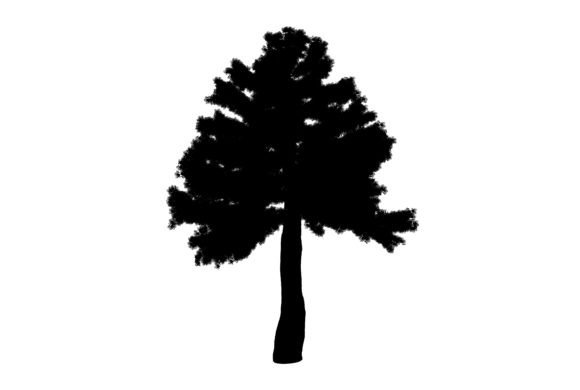
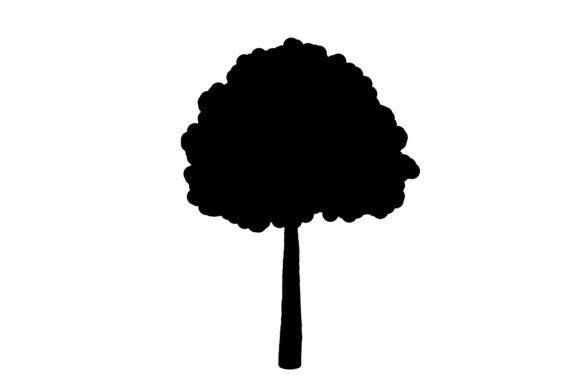
A tree silhouette drawing is a minimalist graphic representation of a tree, typically rendered in black and white or with subtle shading to emphasize the outline. This design element captures the essence of a tree without intricate details, making it ideal for various creative applications. Whether you're an artist, designer, or content creator, understanding the purpose and potential of a tree silhouette can help you make informed decisions about its use in your projects.
If you're searching for a tree silhouette, you might be looking for something that combines simplicity with visual impact. This type of artwork is especially popular among those who need a nature-inspired graphic that doesn't overwhelm the viewer. Its clean lines and recognizable form make it a go-to choice for many design needs.
Why Consider a Tree Silhouette Drawing?
The appeal of a tree silhouette lies in its adaptability. It can represent different seasons, types of trees, and even abstract interpretations of nature. Here are some key reasons why someone might choose this design:
- Simplicity: The minimalistic approach makes it easy to integrate into a wide range of backgrounds and color schemes.
- Versatility: It can be used in both digital and print formats, from social media graphics to printed materials like greeting cards and banners.
- Symbolism: Trees often symbolize growth, strength, and longevity, which can add deeper meaning to your project.
- Scalability: The high-resolution file (4936x3319px at 300 dpi) ensures it remains clear and crisp even when scaled up for large prints.
These qualities make it a strong fit for individuals or businesses aiming to incorporate natural elements into their designs without overcomplicating the visuals.
Benefits and Tradeoffs
One of the main benefits of using a tree silhouette is its ability to convey a sense of nature quickly and effectively. It's a great option if you want to evoke a seasonal theme without needing complex illustrations. Additionally, since it's available in PNG and JPG formats, it’s compatible with most design software, including Photoshop, Illustrator, and GIMP.
However, there are tradeoffs to consider. While the simplicity of a silhouette is an advantage, it may not be suitable for projects that require detailed botanical accuracy. If your goal is to showcase specific tree species or include intricate leaf patterns, a more detailed illustration would be a better choice.
Another consideration is the context in which you plan to use the image. A tree silhouette might work well as a background element but could be too subtle if it's the primary focus of a design. You’ll need to ensure it complements rather than competes with other visual elements on the page.
When Is a Tree Silhouette Drawing a Strong Fit?
A tree silhouette is particularly effective in scenarios where the goal is to create a calming, nature-focused atmosphere. It works well for:
- Seasonal Themes: Use it in holiday designs, such as autumn-themed invitations or winter greetings.
- Minimalist Artwork: Ideal for creating simple yet impactful art pieces that highlight the beauty of nature without overwhelming the viewer.
- Print-on-Demand Products: Perfect for items like stickers, greeting cards, and business cards that benefit from quick recognition and clean visuals.
- Web and Social Media Graphics: Can be used as a header image, blog post feature, or social media cover photo to add a touch of nature without distraction.
In these situations, the tree silhouette serves as a versatile and effective design tool that enhances the overall aesthetic without complicating the message.
When Might Alternatives Be More Suitable?
While a tree silhouette has many advantages, it's not always the best choice. For instance, if your project requires detailed botanical illustrations, such as for educational materials or scientific publications, a more realistic depiction would be necessary. Similarly, if you’re working on a design that needs vibrant colors or textures, a flat silhouette may not provide the visual richness needed.
Additionally, if you're targeting an audience that prefers highly stylized or modern graphics, you might want to explore alternative design elements that align better with contemporary trends. In such cases, abstract or geometric representations of nature could offer a fresh perspective.
Practical Decision-Making Insights
Before deciding to use a tree silhouette drawing, consider the following questions:
- What is the primary purpose of the design? Is it to communicate a message, enhance aesthetics, or serve a functional role?
- Who is the target audience? Will they appreciate the simplicity of a silhouette, or do they expect more detail?
- What platforms or mediums will the design be used on? Ensure compatibility with the intended format and resolution requirements.
- How does the silhouette fit within the broader design scheme? Will it complement or clash with other visual elements?
By addressing these questions, you can determine whether a tree silhouette is the right choice for your project or if another design approach might better meet your goals.
In conclusion, a tree silhouette drawing offers a unique blend of simplicity and symbolism that can enhance a wide variety of creative projects. By carefully evaluating its benefits, limitations, and suitability for your specific needs, you can decide whether it aligns with your vision and objectives.